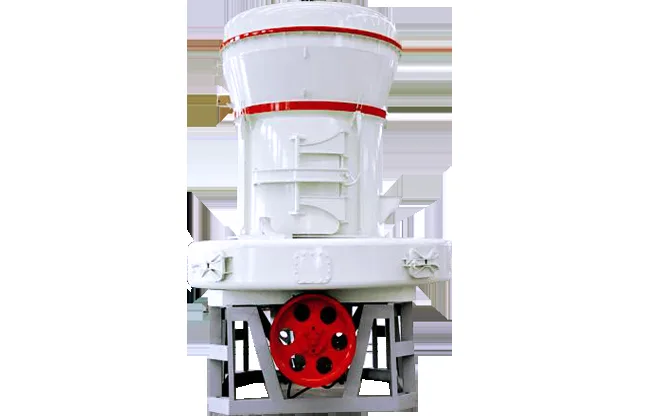
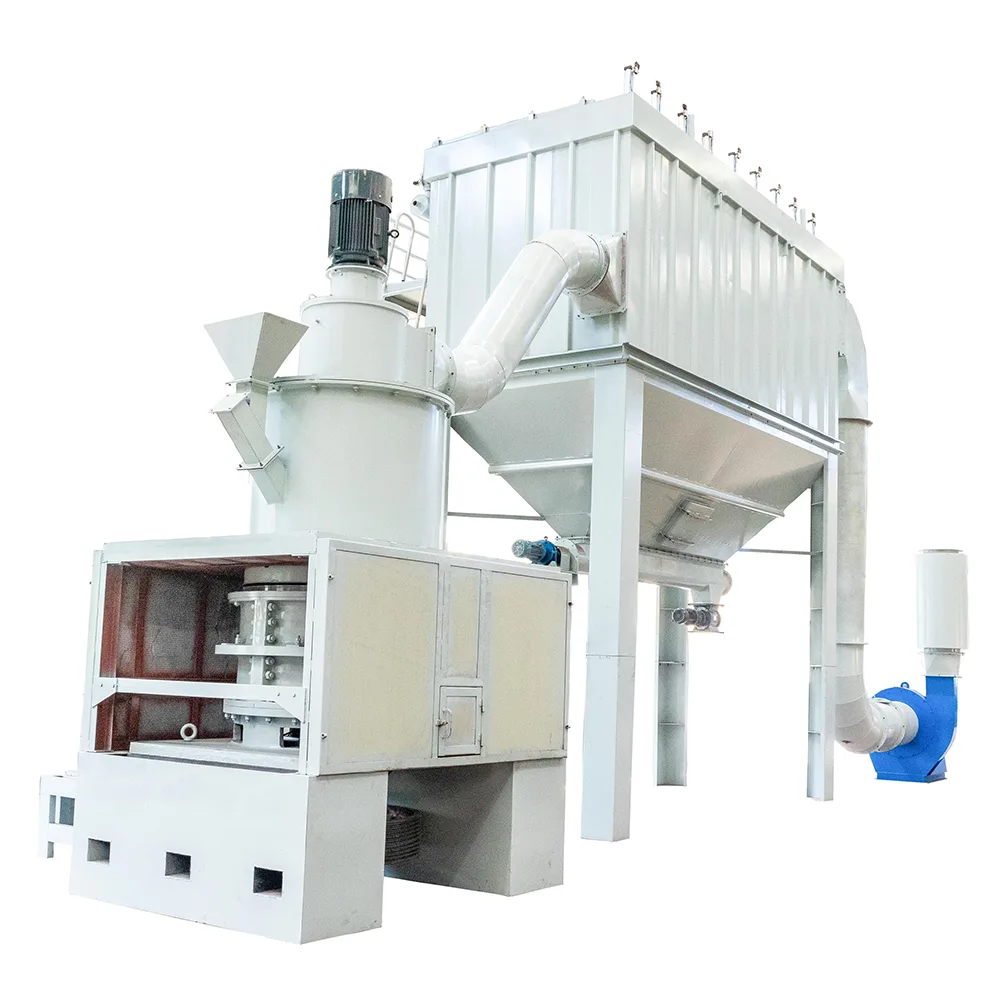
Raymond Mill (MTW)
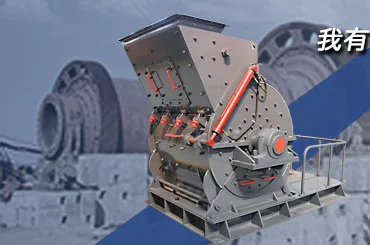
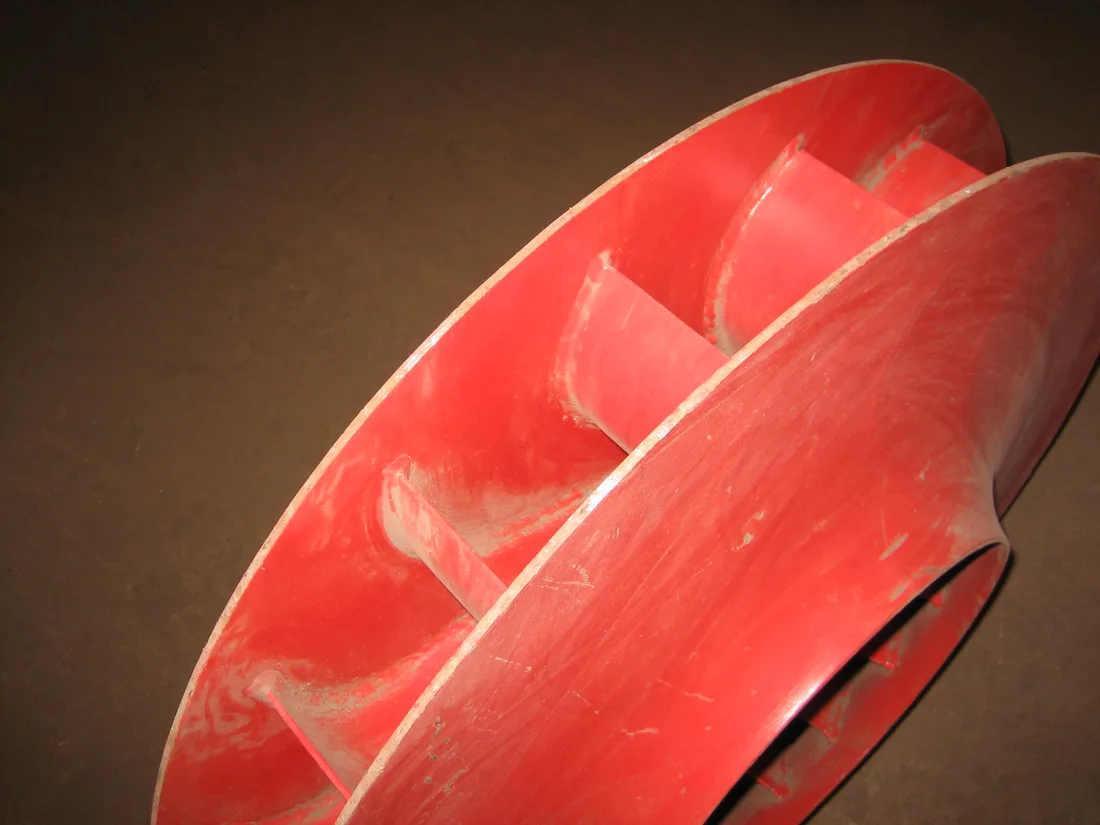
A pendulum roller mill with an analyzer. The classic, lowest-cost workhorse for desulfurization and construction-grade powder.
When your limestone needs to become 325–3000 mesh ground calcium carbonate (GCC), the Cronus CRGM / HGM ring roller mill outperforms a Raymond mill on fineness and a ball mill on energy cost. One machine, online fineness control, narrow particle size, dust-free workshop.
Mill Types Overview
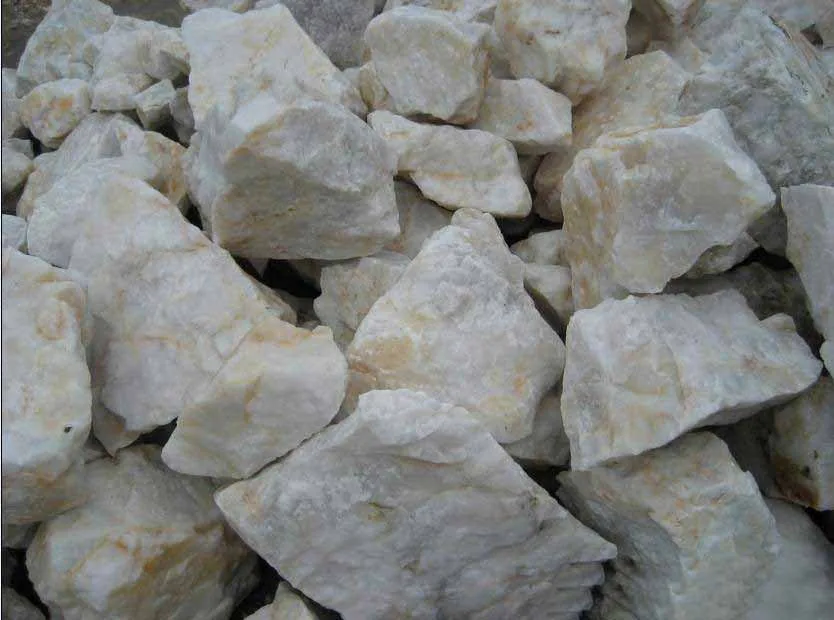
Limestone (Mohs 3–4) is easy to grind, so the “best” mill is decided by target fineness and hourly capacity. Below is an impartial comparison of the machines Cronus supplies, followed by our recommendation for high-value powder.
A pendulum roller mill with an analyzer. The classic, lowest-cost workhorse for desulfurization and construction-grade powder.
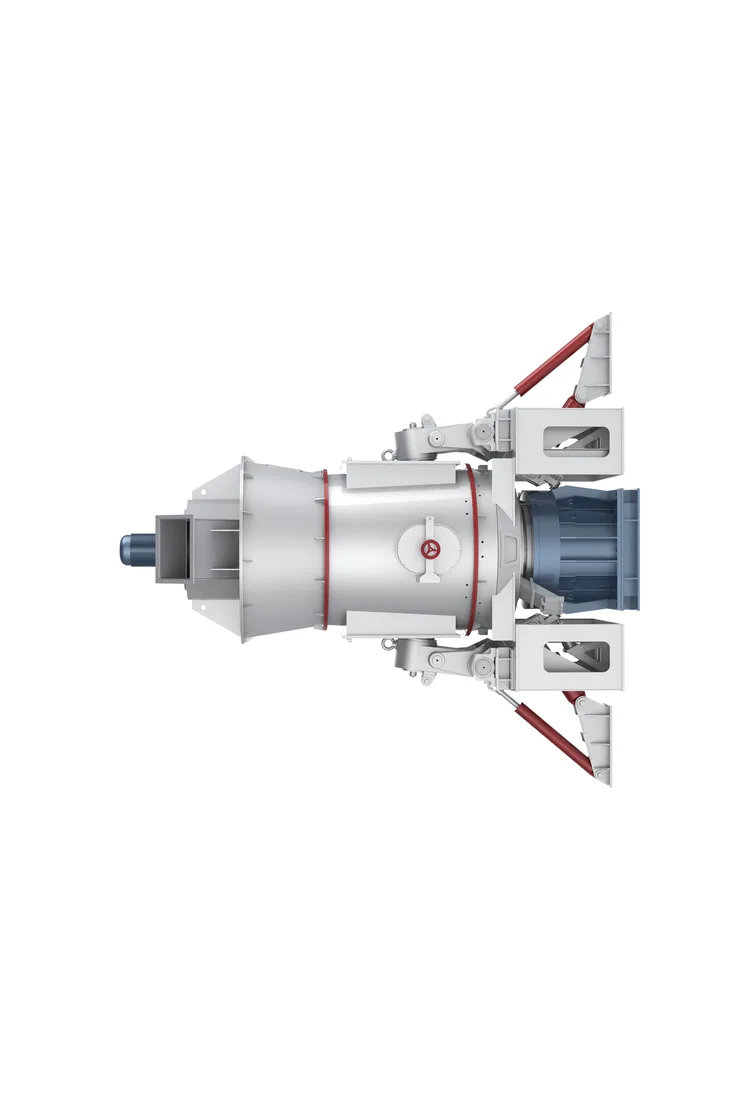
Multi-layer ring-roller compression with an integrated high-efficiency classifier. Our pick for ultrafine GCC filler.
Integrates drying, grinding, classifying and conveying. Built for very large capacity raw-meal and GCC lines.
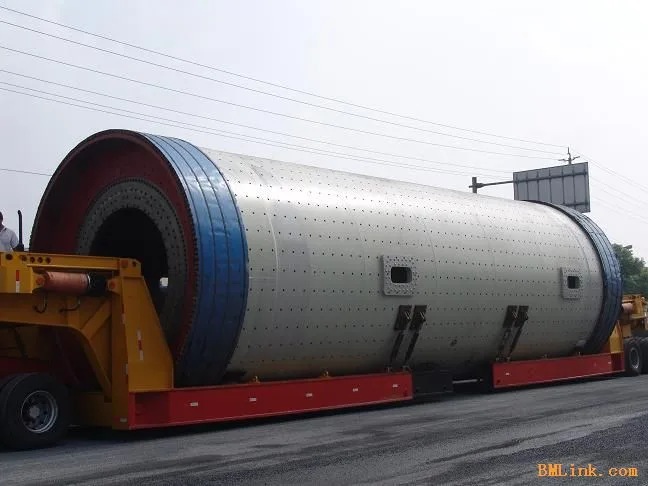
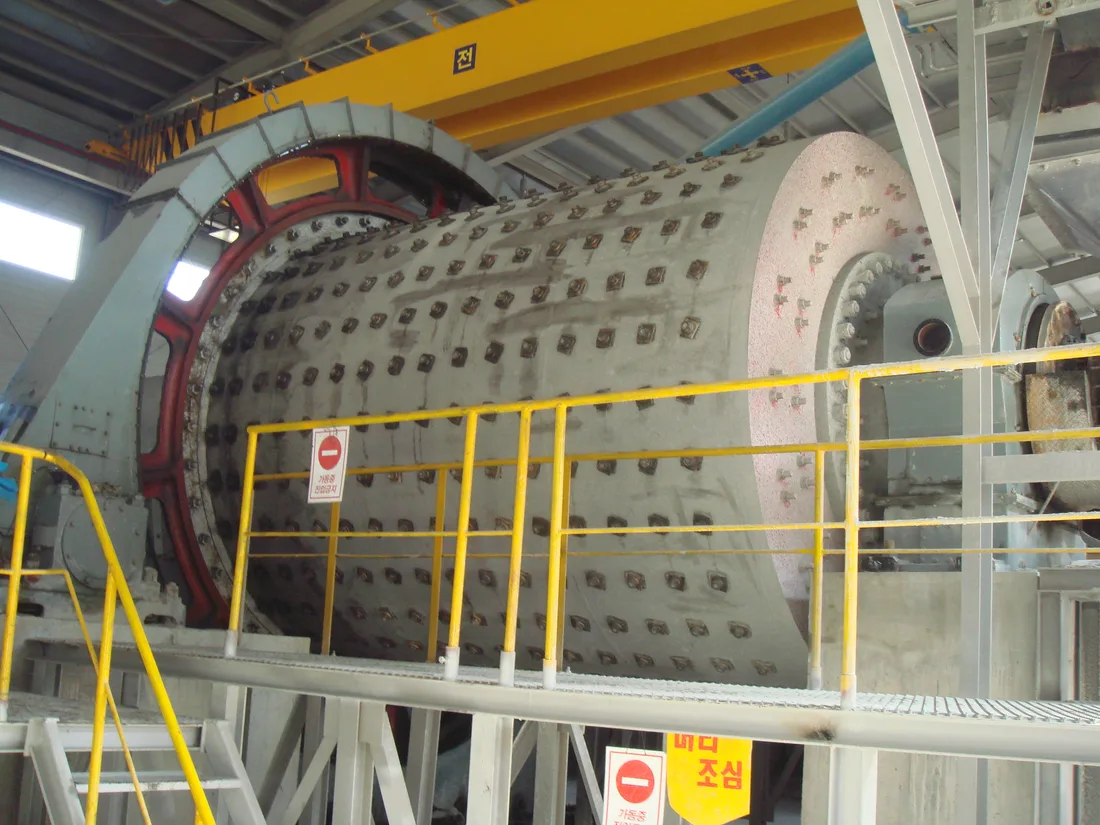
Steel-media impact mill for very large, often wet, operations. Robust but the heaviest power user.
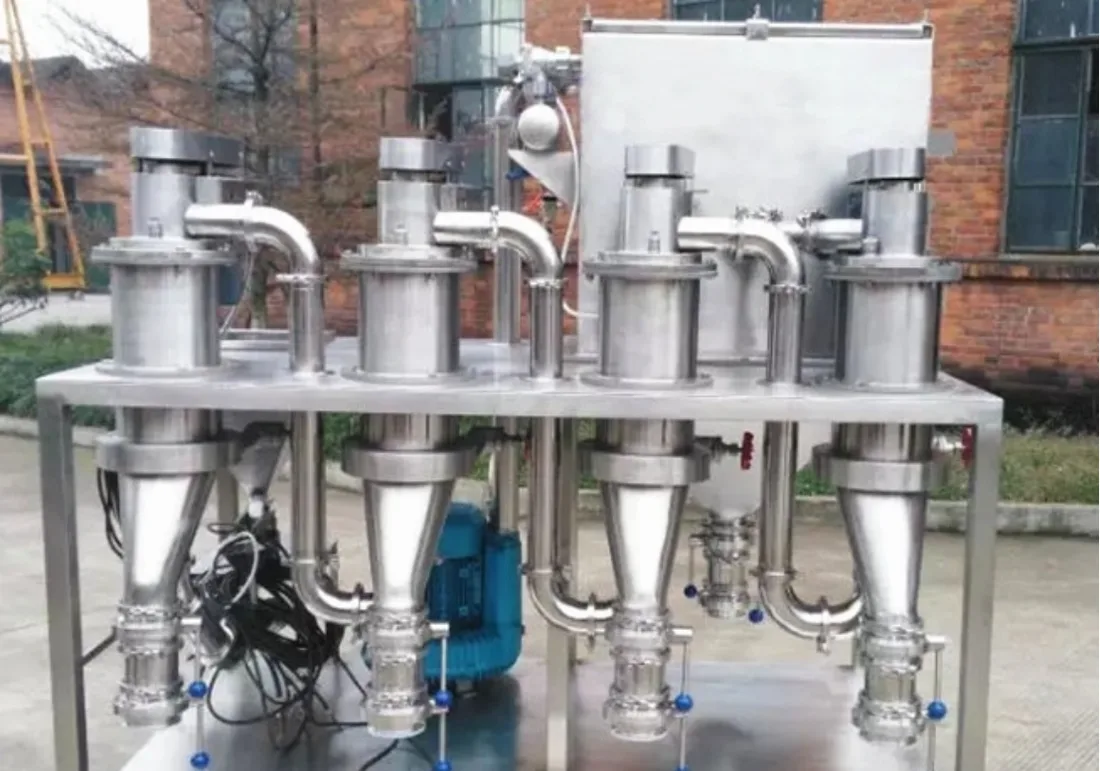
Particle-on-particle grinding with compressed air — no metal contact, very low heat.
Jaw / hammer / cone crushers reduce quarry limestone to <20 mm before milling.
Recommendation: if your product is 400–3000 mesh GCC filler, the Ultra-fine Ring Roller Mill is the most cost-effective route. If you only sell 200–400 mesh, a Raymond mill is cheaper to start. Read on for the full case.
Recommended Product
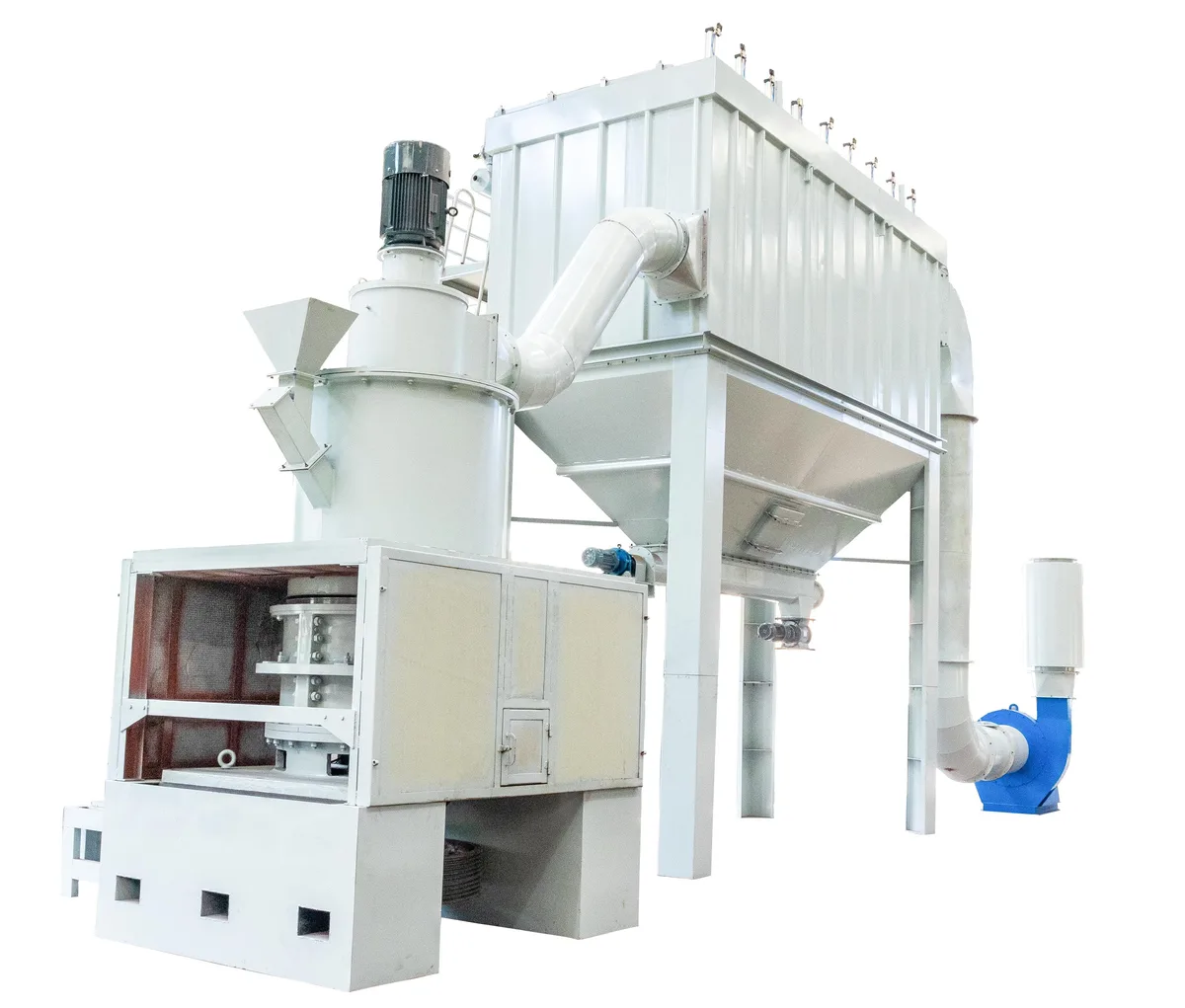
The ring roller mill is a dry, multi-stage compression mill. Several grinding pairs (rollers + ring) press the limestone bed while a built-in turbine classifier continuously separates qualified powder. Because grinding and classification happen in one sealed, negative-pressure circuit, you get a stable, narrow particle distribution and a clean workshop.
It is the mill we recommend for limestone powder above 325 mesh — especially the 600–3000 mesh GCC filler segment where the price premium pays back the equipment quickly.
Working Principle & Structure
Points 1 of your brief: the principle is easy to follow, and the structure is built for uptime. Crusher → elevator → feeder → main mill (rollers grind on ring) → classifier (fine powder passes) → pulse collector (powder captured) → fan (negative pressure).


Cronus Product Advantages
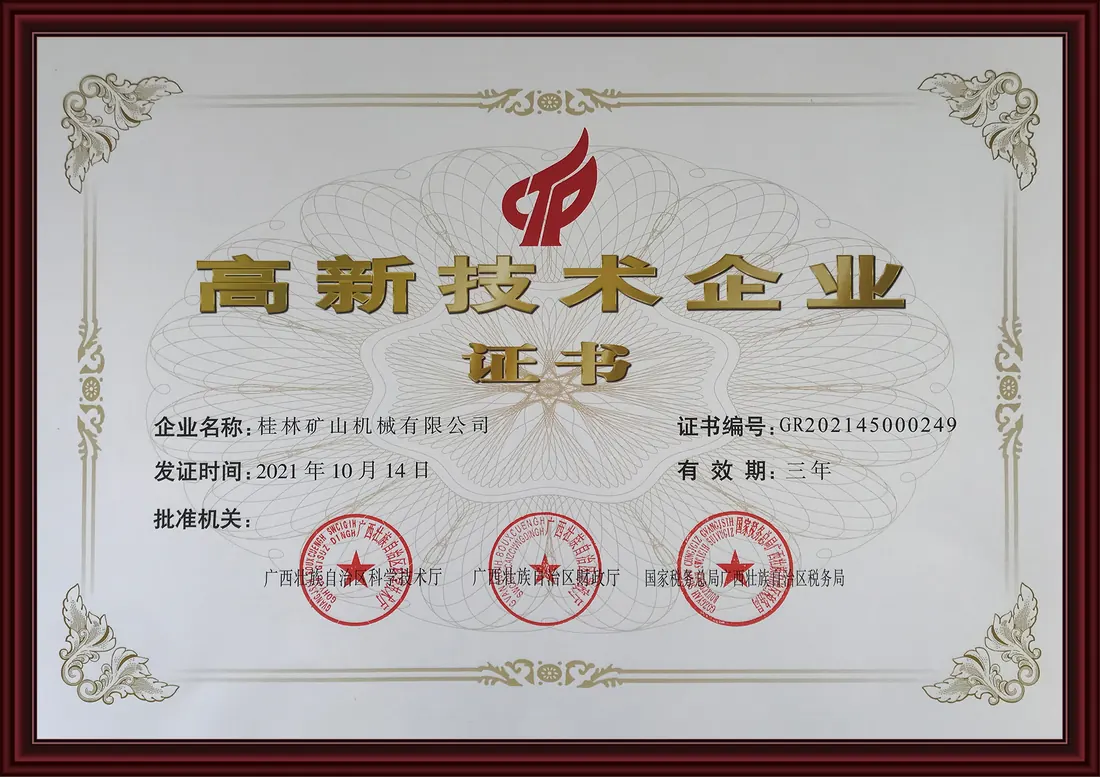
Built on Guilin Mining Machinery’s 50+ years of grinding know-how, the CRGM / HGM series is engineered for stable ultrafine output, low operating cost and easy service.
Several grinding pairs raise pressure and energy use per pass, lowering kWh/ton versus single-stage mills.
The VFD turbine classifier adjusts D97 without stopping production — one line serves many grades.
Closed-loop classification returns oversize for re-grind, so batch-to-batch variation stays small.
Shock absorbers and a muffler reduce mechanical vibration and workshop noise.
Pulse collector (>99%) keeps the plant clean and helps meet emission limits.
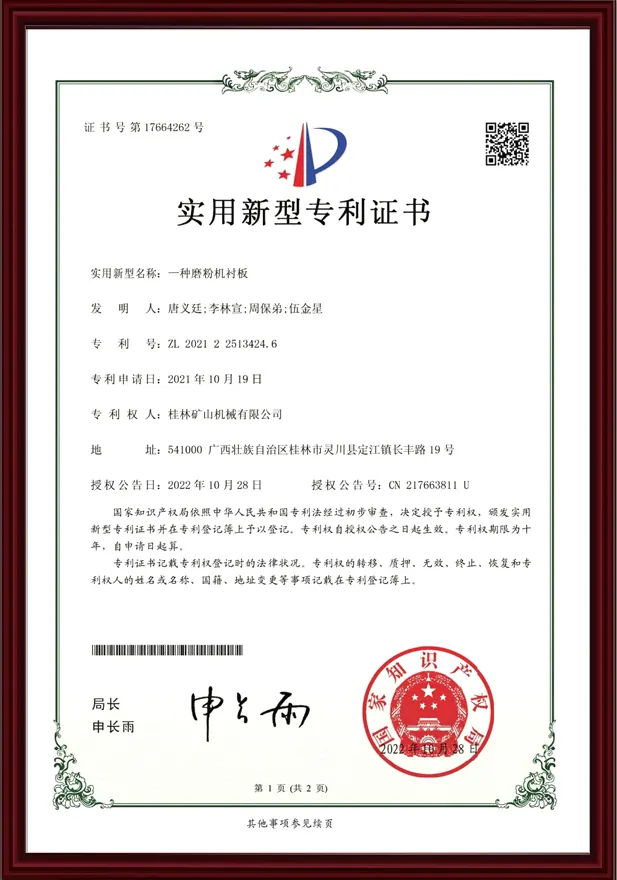
Cronus casts wear parts in-house — matched material, inspection and competitive price.
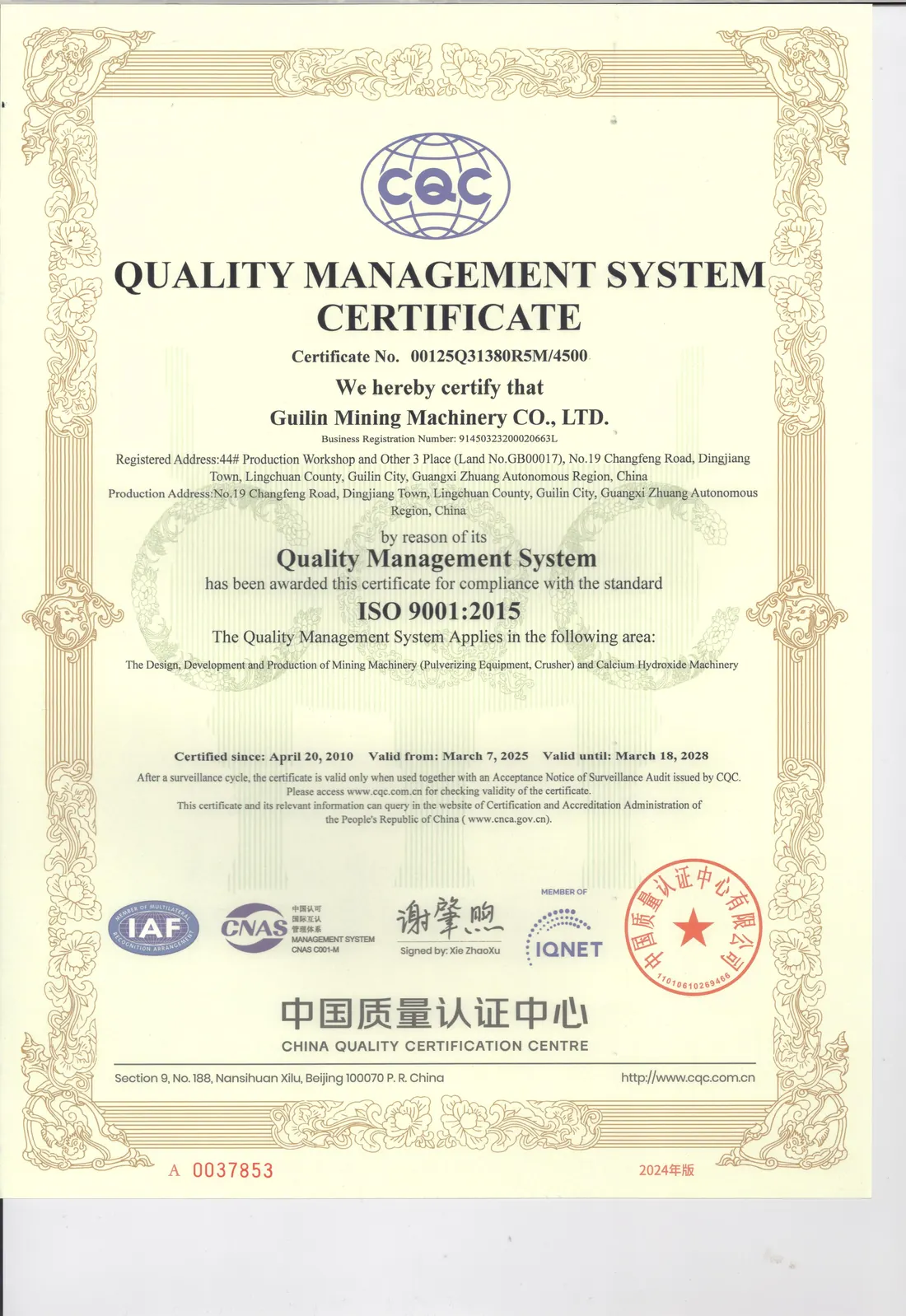
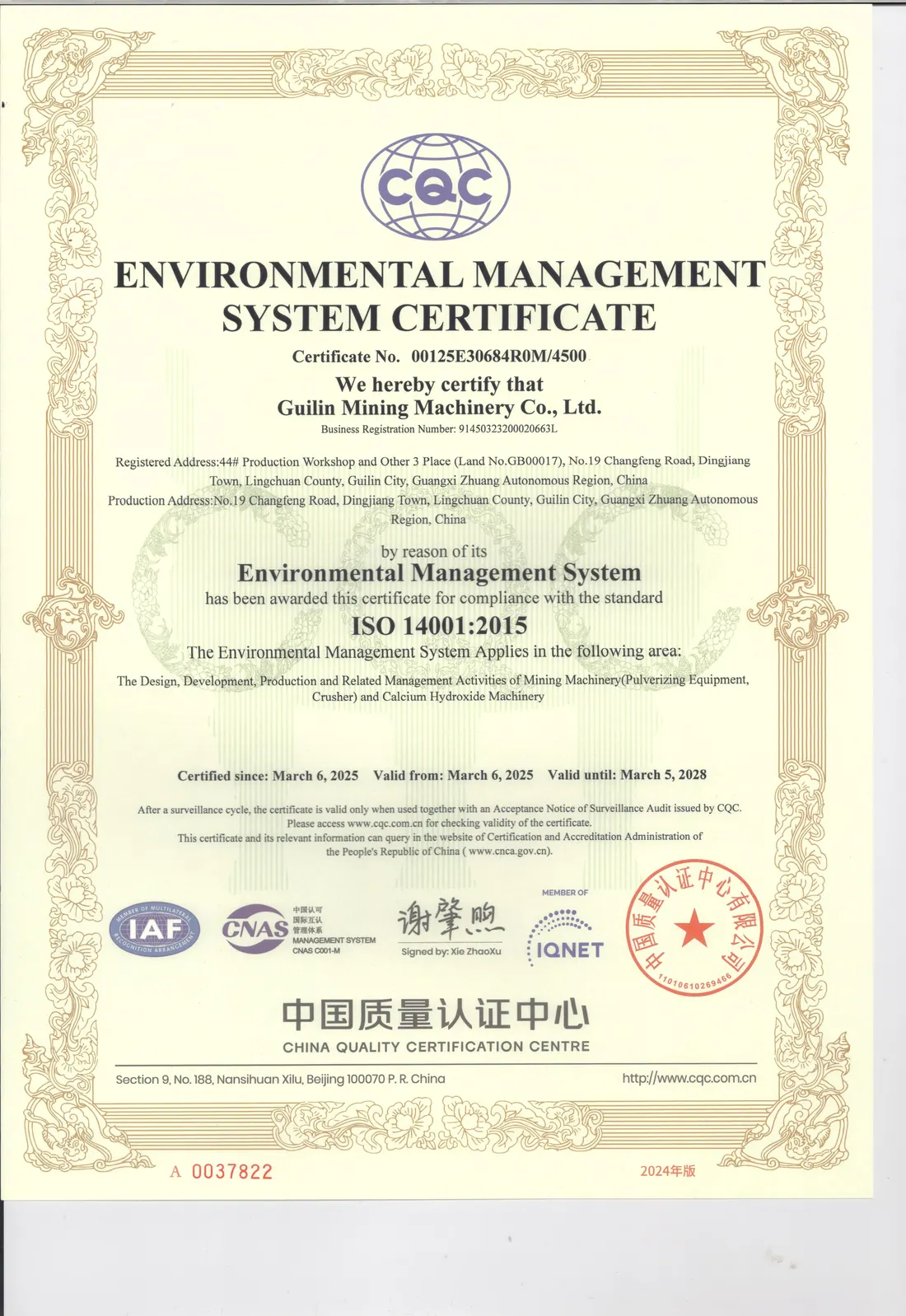
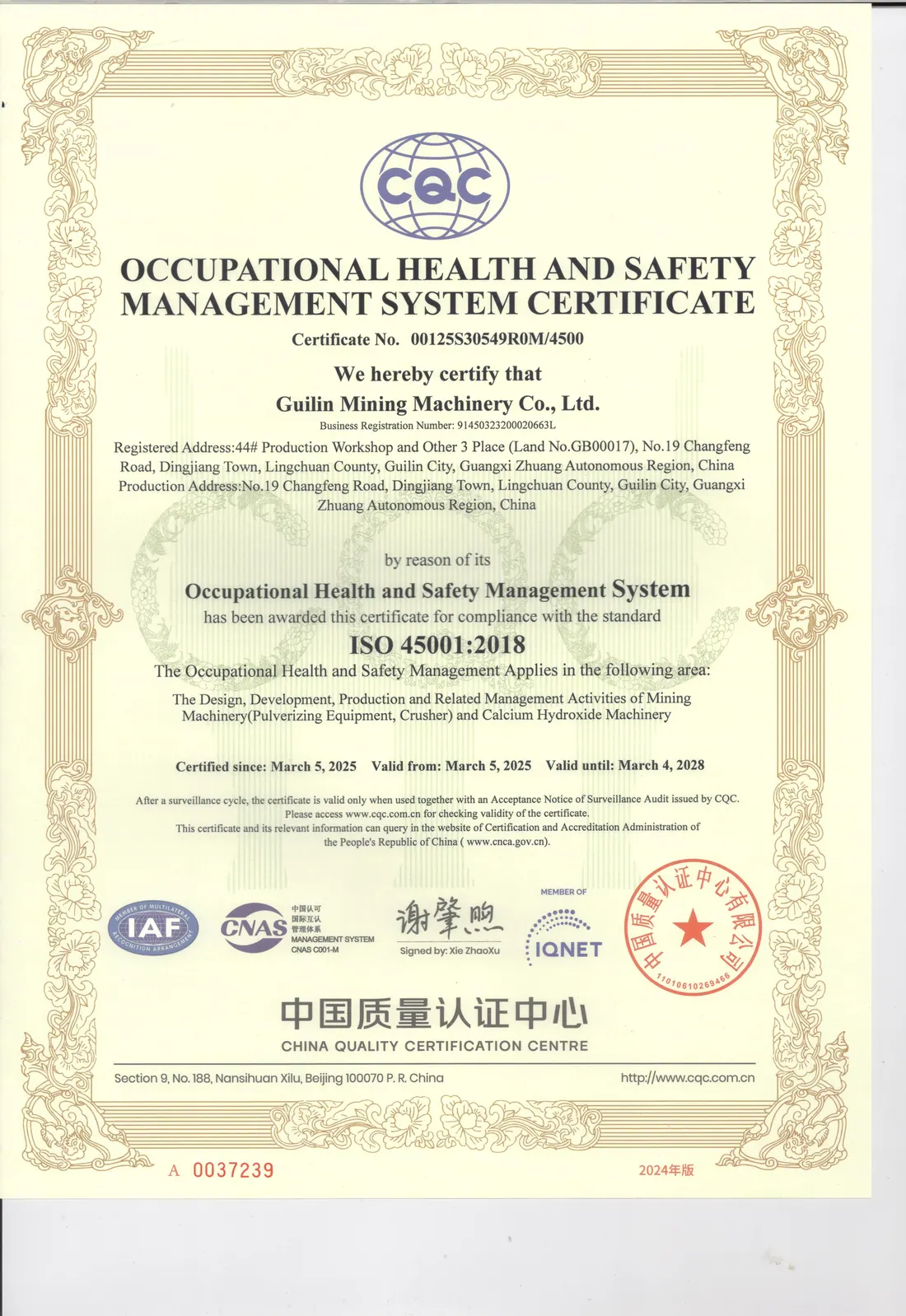
Backed by Guilin Mining Machinery, ISO9001 and CE, with 8000+ units sold worldwide.
Skid-mounted modules shorten on-site installation from delivery to commissioning.
Cronus tests your limestone and returns confirmed fineness, capacity and a technical proposal.
Performance Parameters
Values below are reference ranges for limestone-type feed (Mohs ≤4, moisture <5%). Final parameters are confirmed by a material grinding test and signed technical agreement.
| Product fineness | 325 – 3000 mesh (D97 5–47 µm), online adjustable |
|---|---|
| Capacity | 0.5 – 45 t/h (model & fineness dependent) |
| Feed size | ≤ 10 – 20 mm |
| Feed moisture | < 5% |
| Feed Mohs hardness | ≤ 7 (best for calcite / limestone / marble) |
| Main motor power | 75 – 237 kW (model dependent) |
| System | Negative pressure, pulse dust collector, induced draft fan |
| Energy (D97<10 µm) | ≈ 95 kWh/t (limestone reference) |
| Certification | ISO 9001, CE |
| Reference model | Fineness | Capacity (t/h) | Main motor (kW) |
|---|---|---|---|
| CRGM80 / HGM80 | 325–2500 mesh | 0.5 – 8 (by fineness) | 75 |
| CRGM95 / HGM95 | 325–2500 mesh | 1 – 18 | 132 |
| CRGM130 / HGM130 | 325–3000 mesh | 3 – 45 | 200 – 237 |
Final capacity depends on limestone CaCO₃ content, feed size, moisture and target D97. Cronus confirms the exact figure after a free material test.
Applications (point 3)
Limestone GCC from the mill feeds at least eight downstream industries: power desulfurization, construction, plastics, paper, coatings, rubber, agriculture and chemicals. The same machine also processes many other non-metallic minerals.


Engineering Cases (point 4)
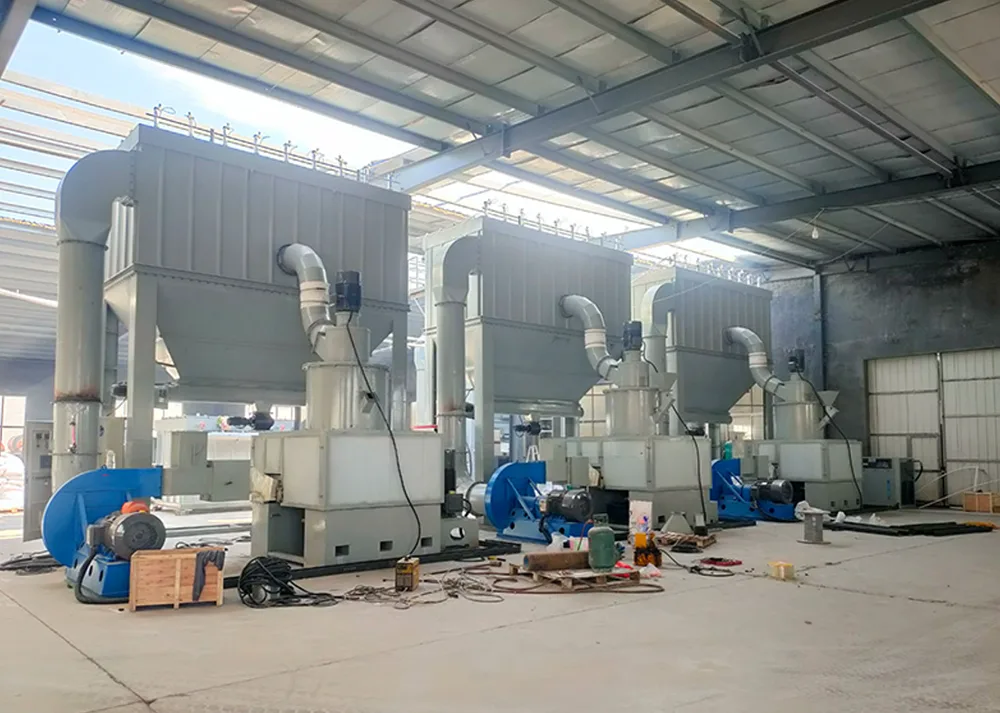
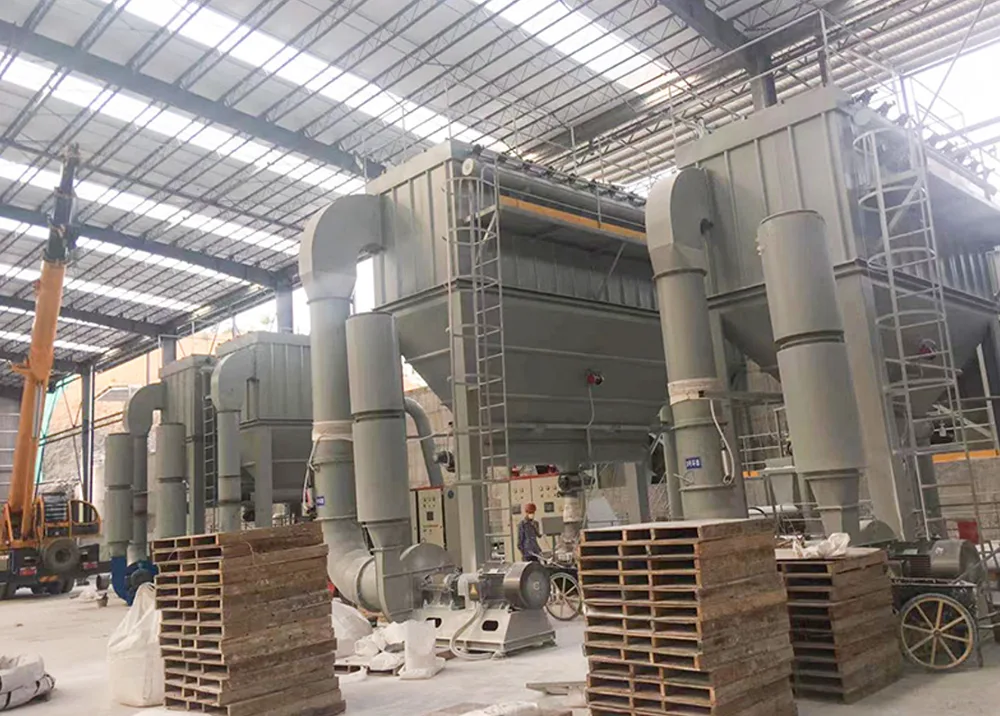
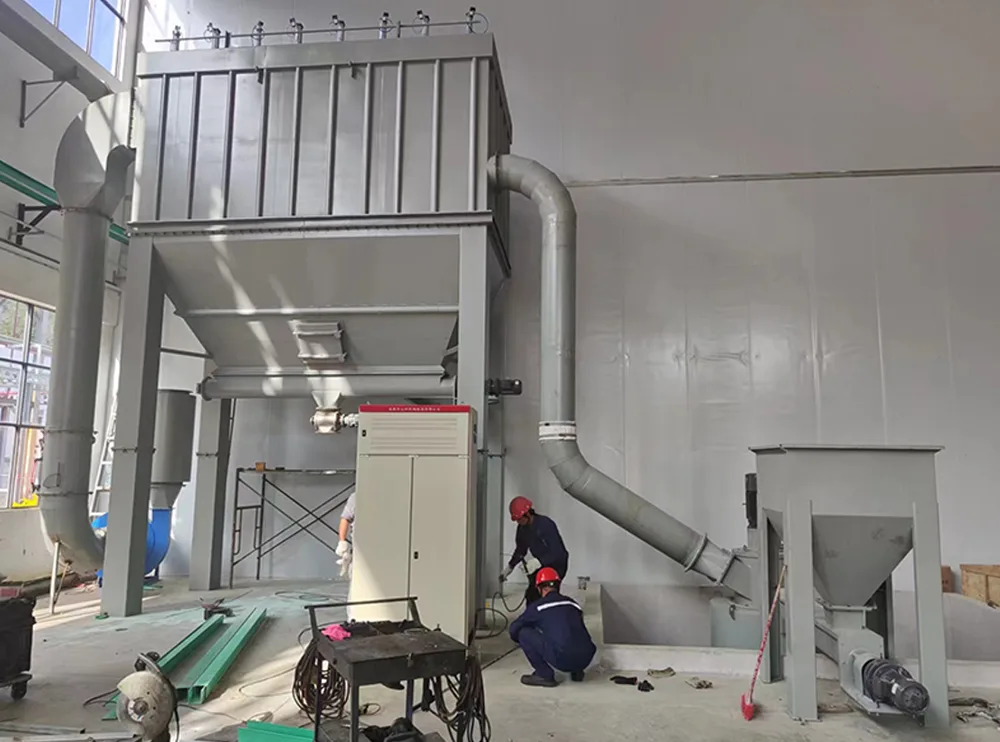
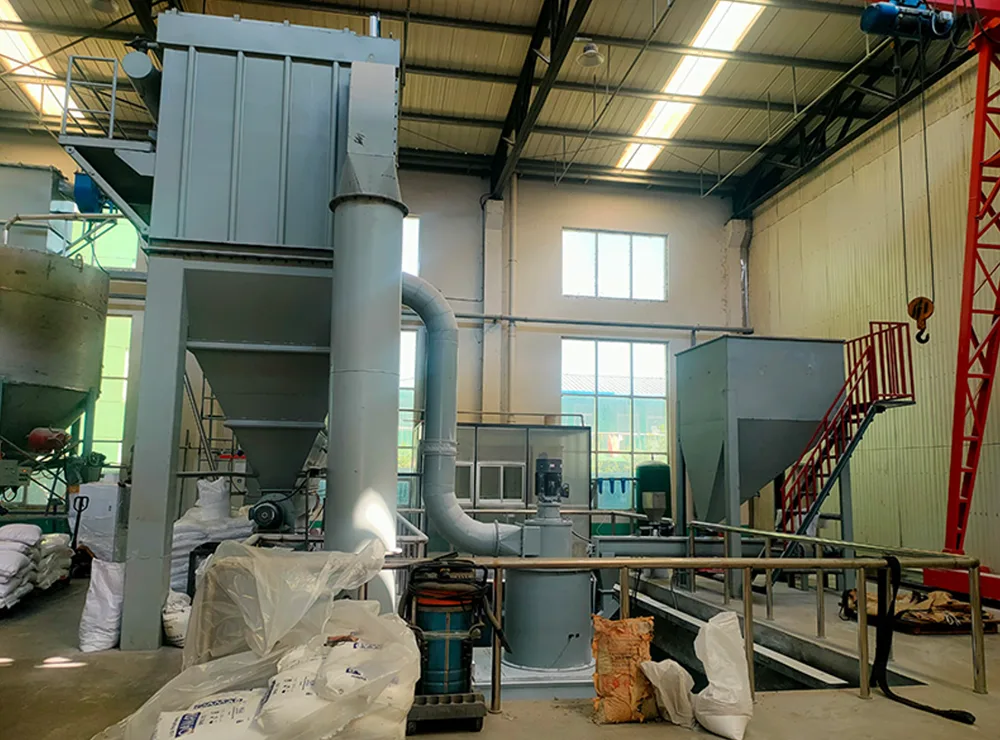
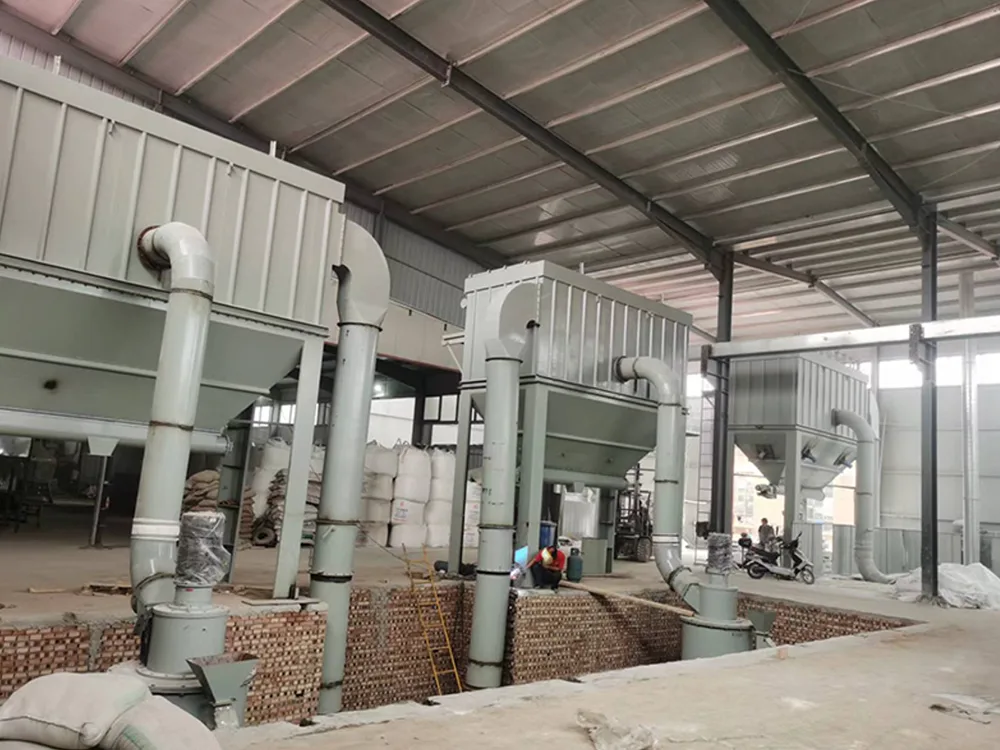
Project media from Cronus working files. Cronus also runs overseas lines (e.g., Vietnam coal-powder Raymond lines, Jiangxi 1-million-tpa calcium carbonate, Kazakhstan marble, Heilongjiang pet-coke) — contact us for case studies with the customer’s own approval.
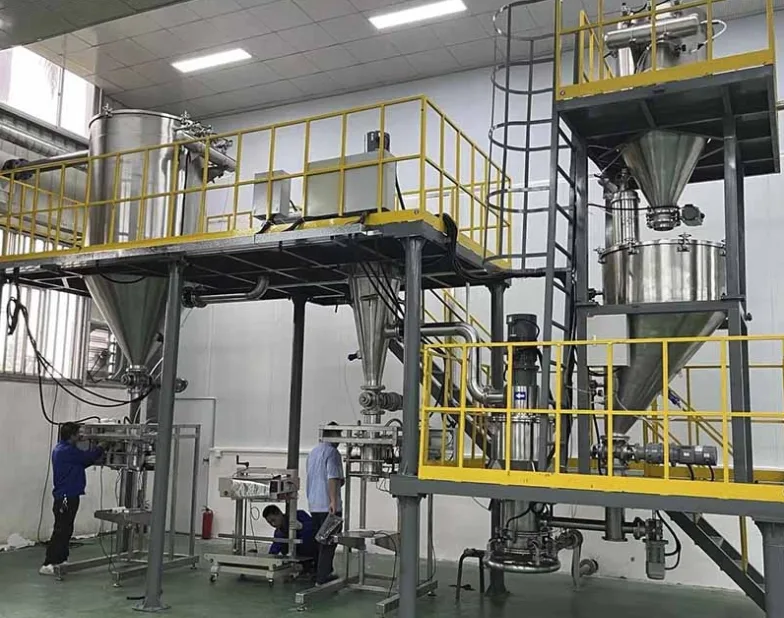
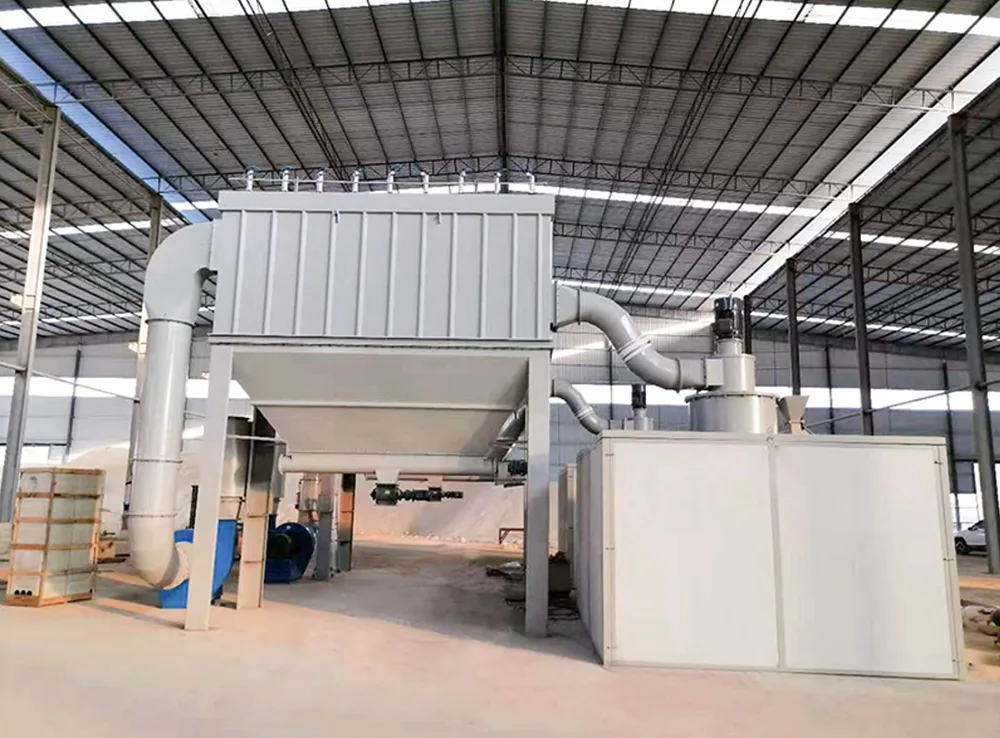
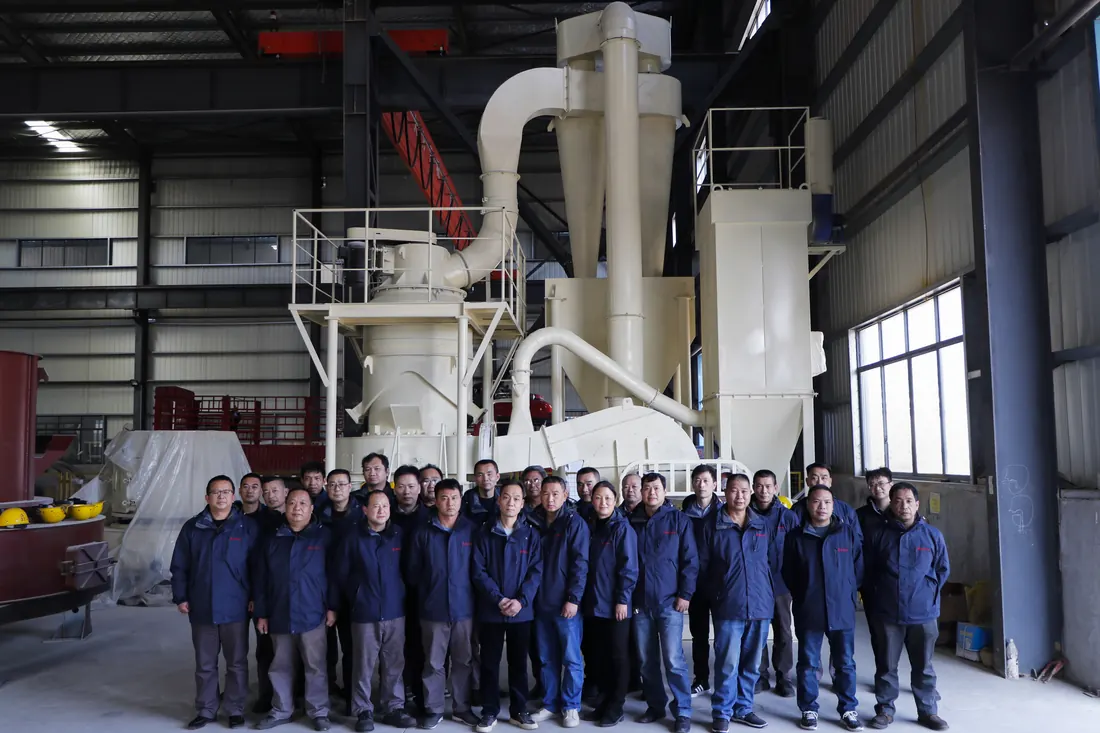
Complete dry GCC line with mill, classifier, pulse collector and silo.
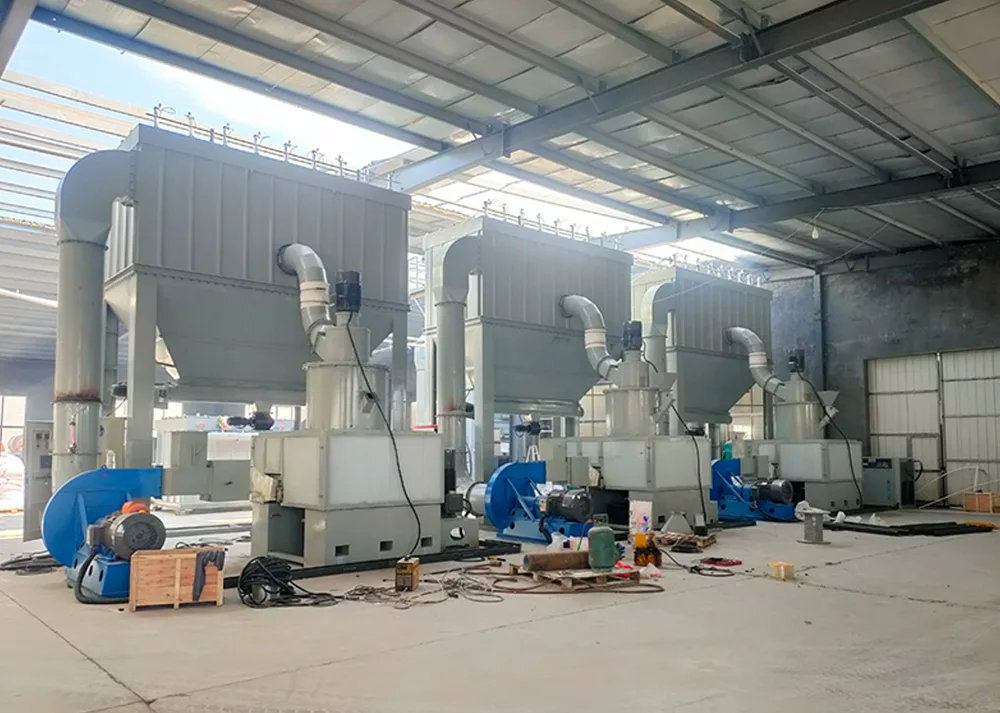
Ultra-fine ring roller mill main unit in the workshop.
Rollers and ring under compression for stable fineness.
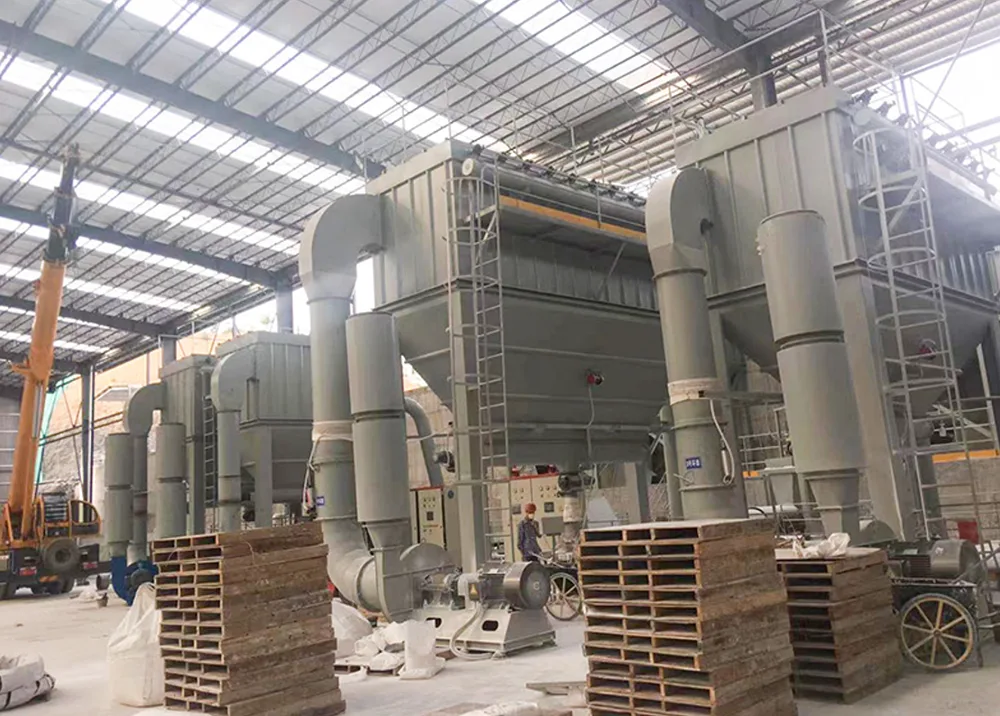
Negative-pressure circuit with dust collection.
Ready for commissioning at the customer site.
Non-metallic mineral ultrafine powder plant.
Comparison (point 6)
We compare honestly on the three things that decide cost: fineness range, energy per ton, and flexibility. Energy figures are industry benchmark ranges for limestone-type hardness (Mohs 3–4), dry closed circuit.
| Dimension | Raymond / Pendulum | Ring Roller Mill (Cronus) | Ball Mill | Vertical Roller Mill |
|---|---|---|---|---|
| Fineness | 80–425 mesh | 325–3000 mesh (D97 5–47 µm) | 80–400 mesh | 80 mesh – micropowder |
| Typical capacity | 0.5–16 t/h | 0.5–45 t/h | 10–50 t/h | 10–500 t/h |
| Energy @ 800 mesh | 30–45 kWh/t | ~25–35 kWh/t | 55–85 kWh/t | 28–40 kWh/t |
| Energy @ D97<10 µm | ~130 kWh/t | ~95 kWh/t | ~160 kWh/t | ~175 kWh/t |
| Online fineness | Shutdown needed | VFD, no shutdown | Hard | PLC |
| Particle distribution | Average | Narrow, stable D97 | Wide | Good |
| Investment | Lowest | Medium | Medium | High |
| Best for | Desulfurization / 200–400 mesh | 600–3000 mesh GCC filler | Wet / very large | >15 t/h lines |
Takeaway: a Raymond mill wins on lowest entry cost for coarse powder. But the moment you sell any powder finer than 600 mesh, the ring roller mill’s lower kWh/ton and single-machine multi-grade flexibility make it the better investment — and it reaches 3000 mesh that a Raymond mill cannot.
Wear Parts & Accessories (point 7)
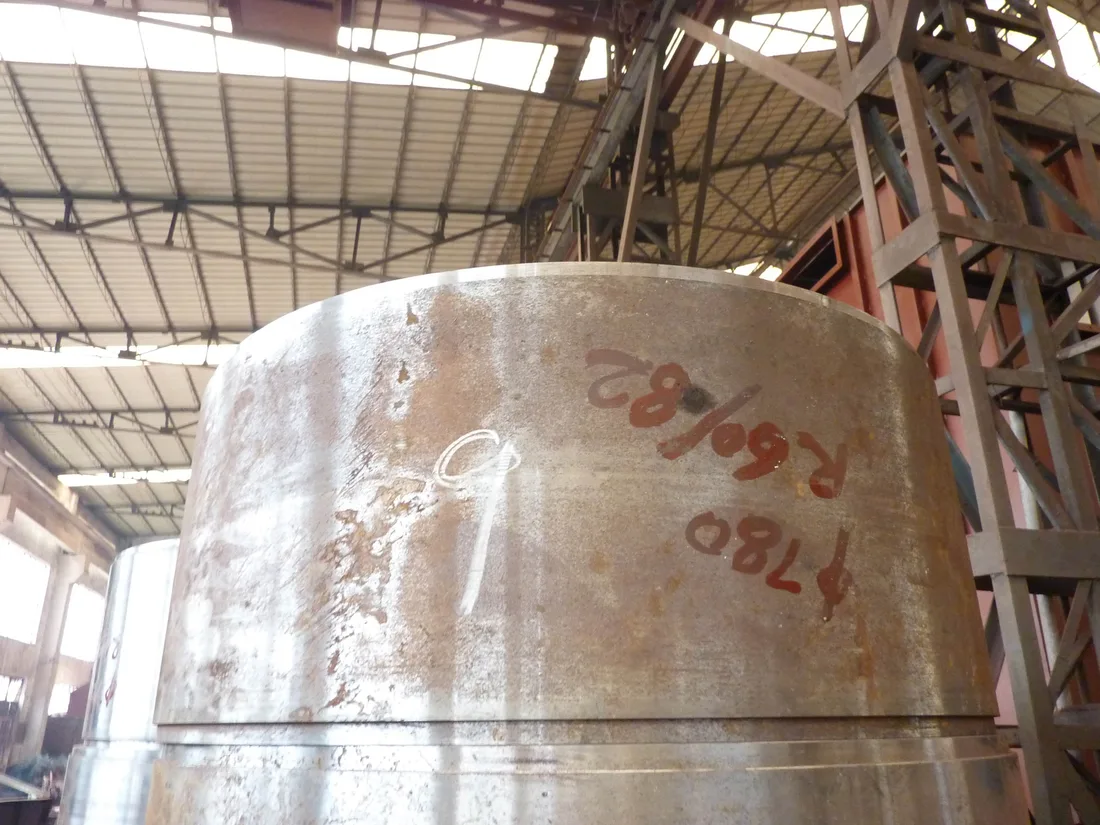
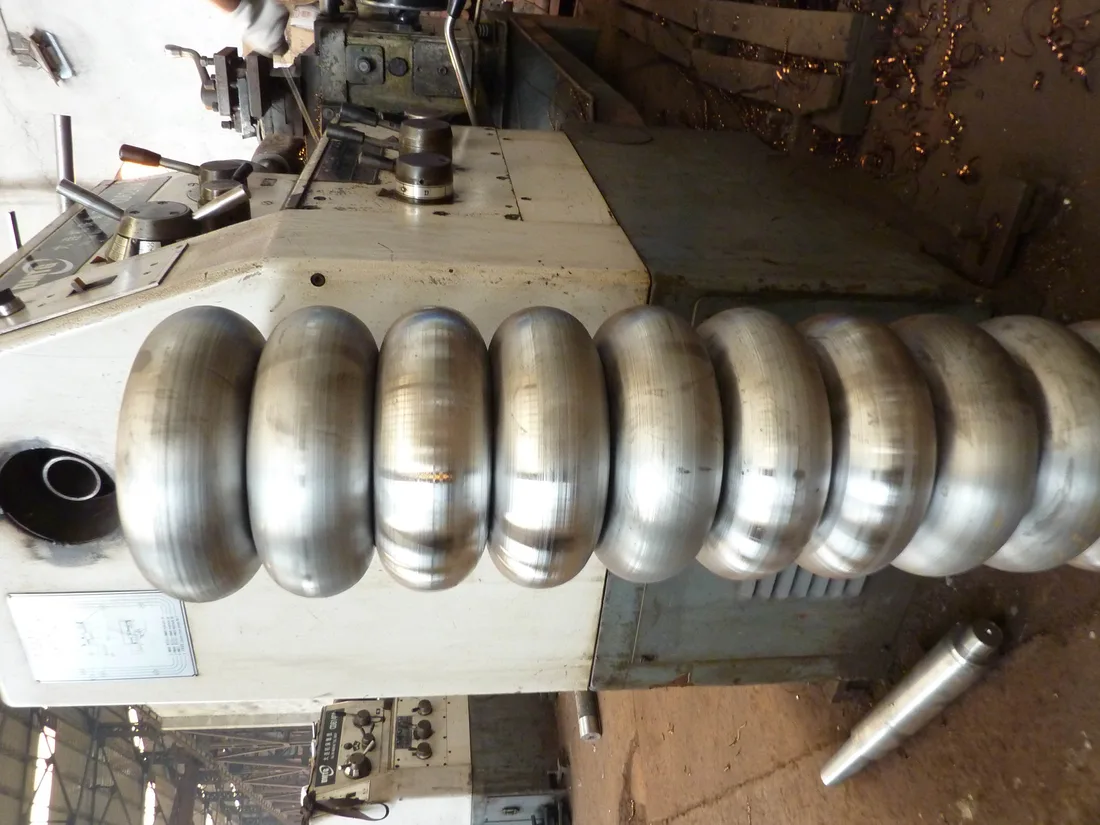
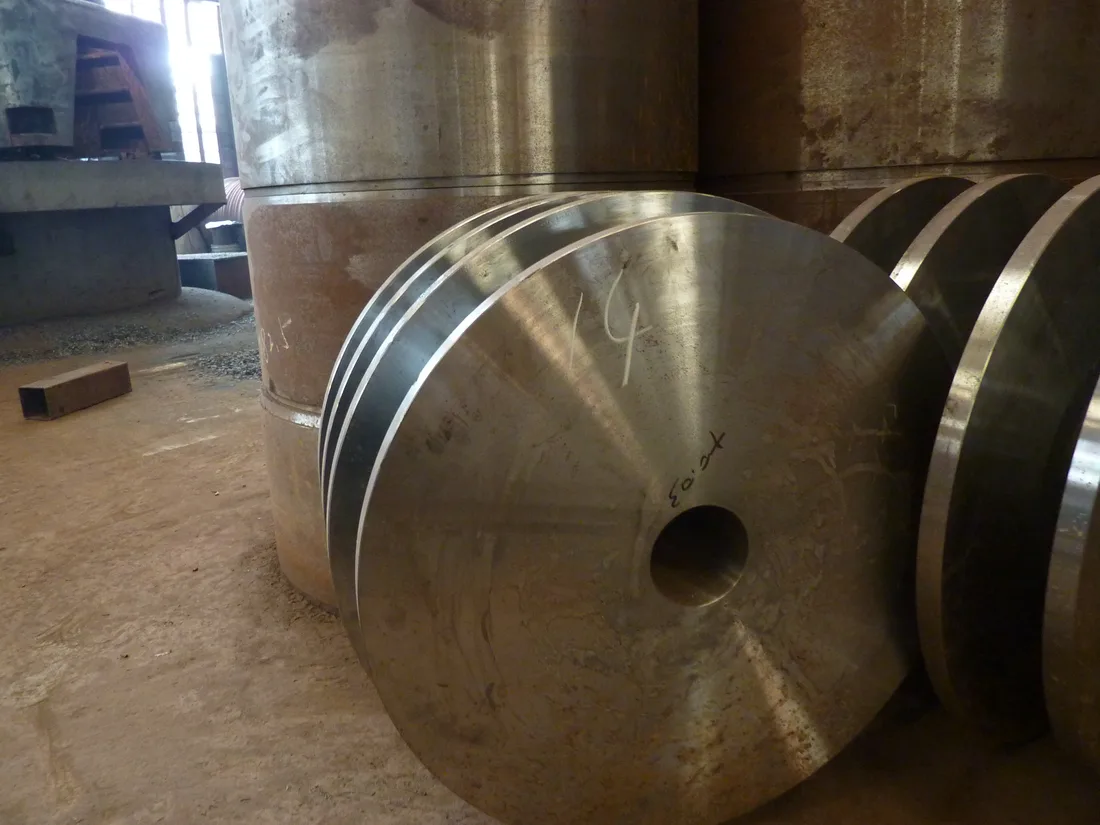
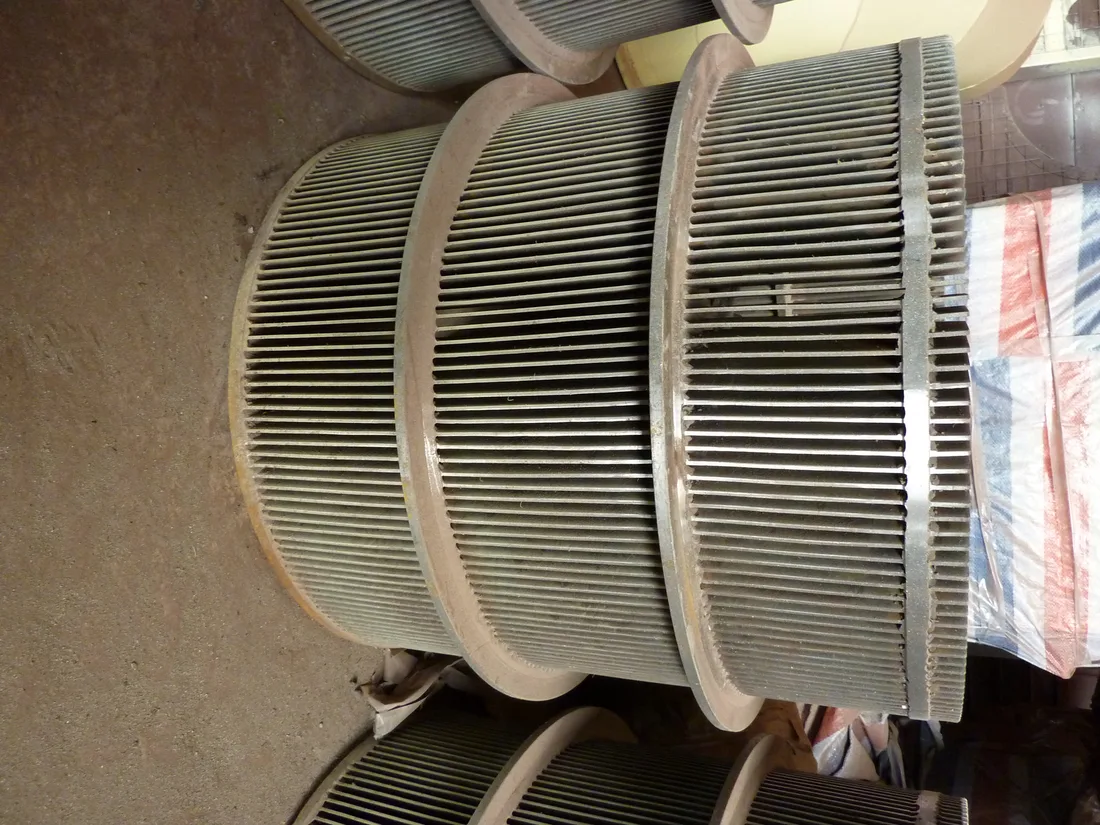
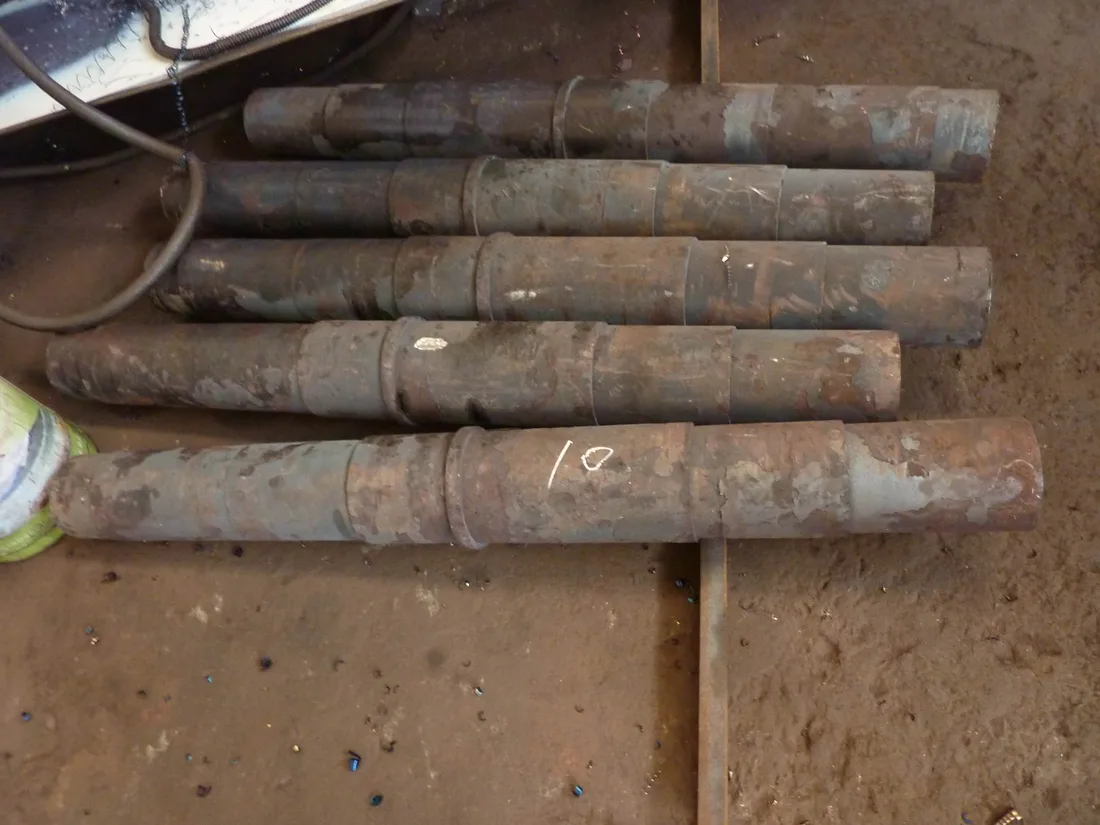
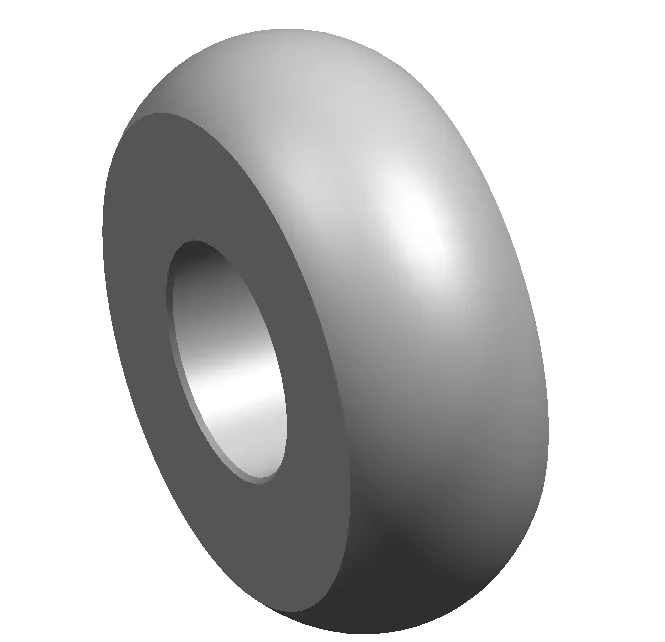
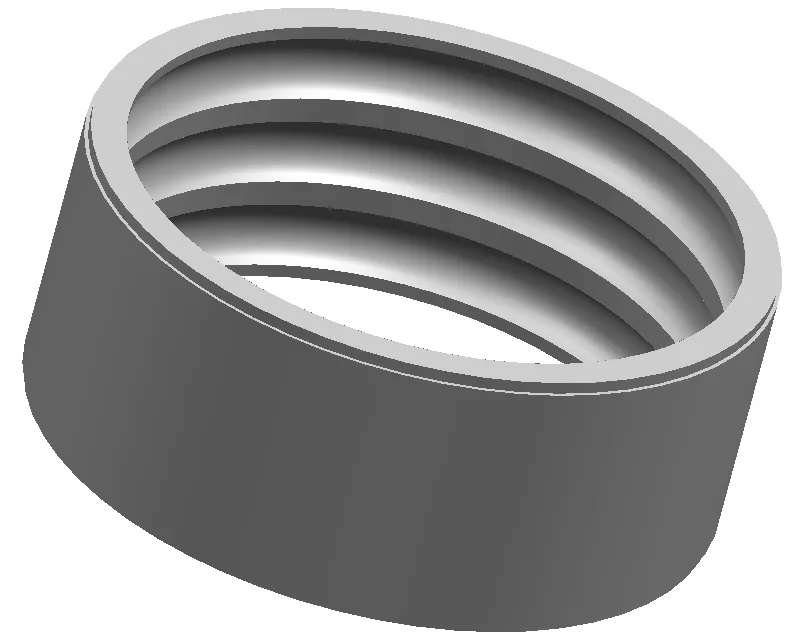
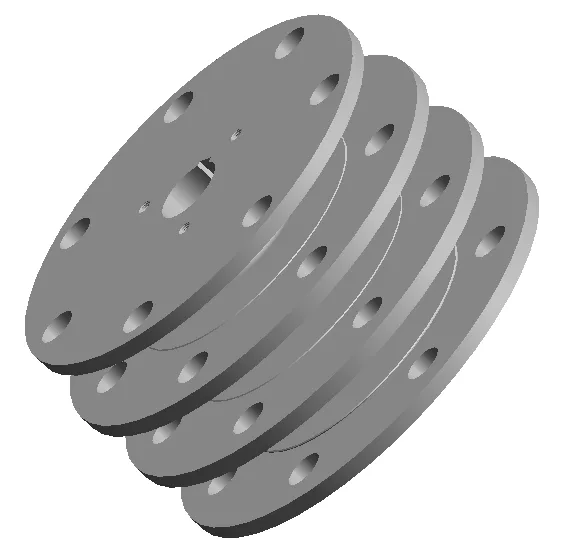
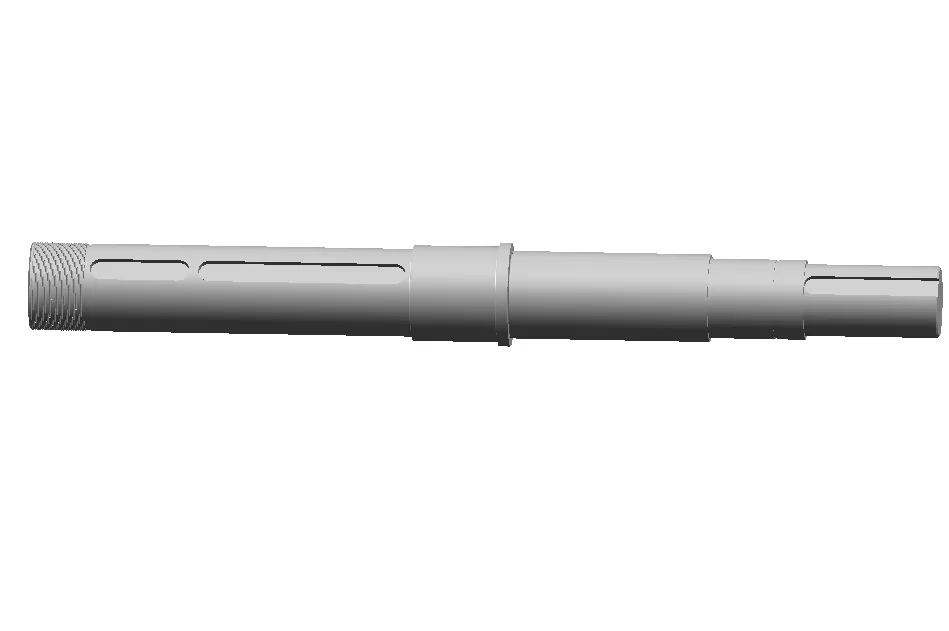
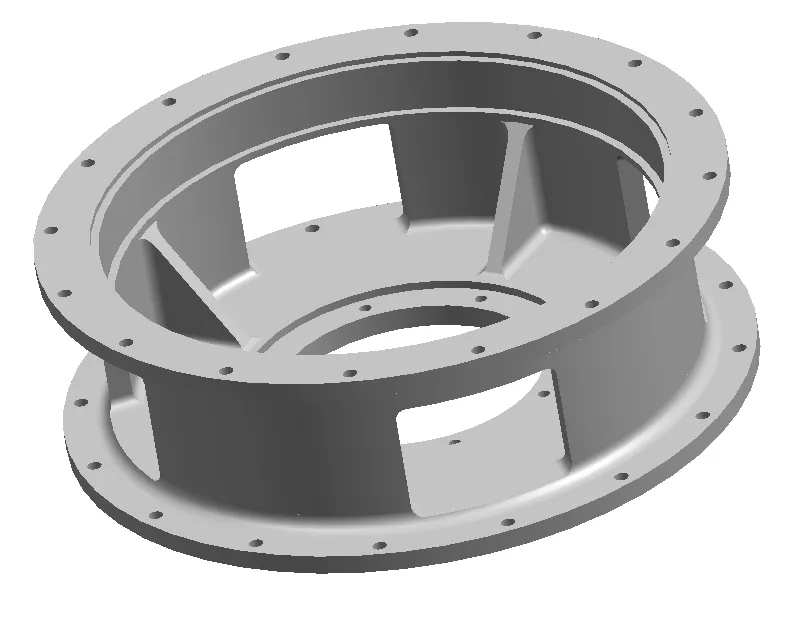
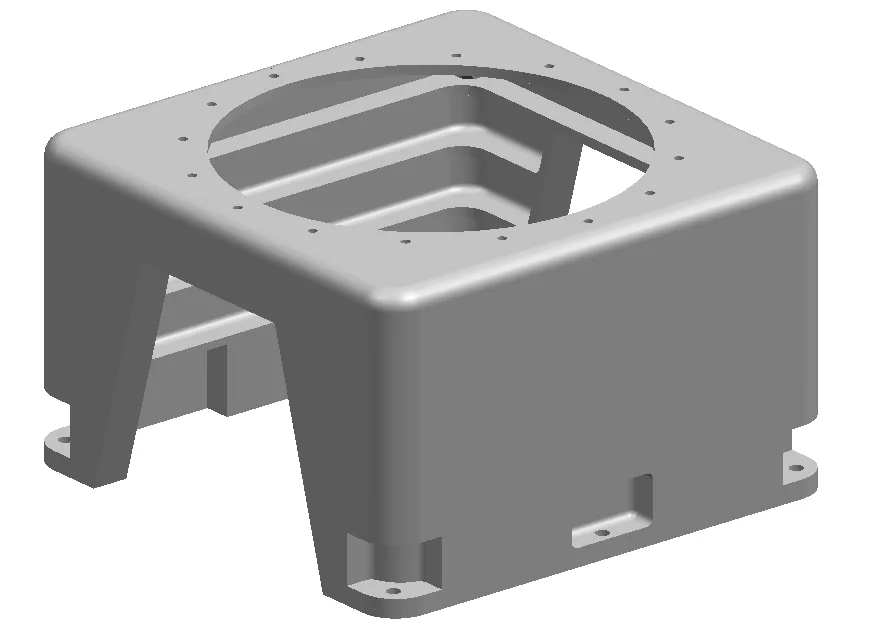
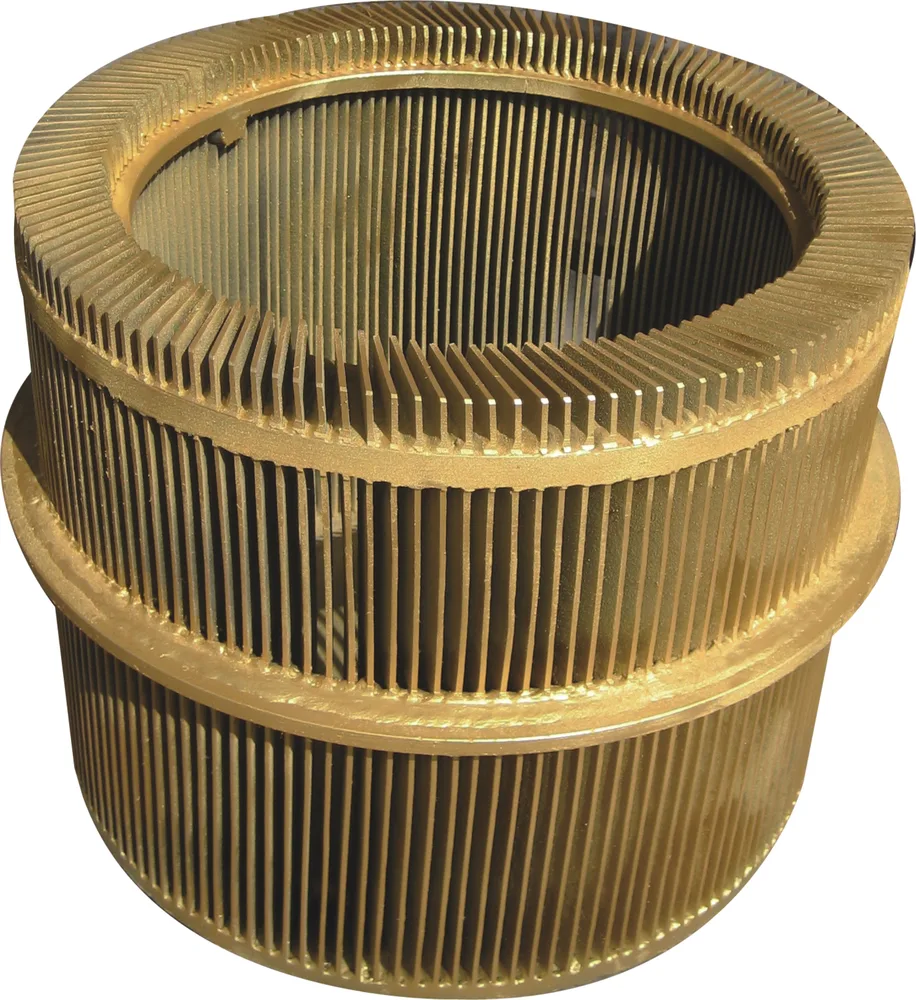
Wear parts decide your uptime and cost per ton. Cronus casts and machines its own rollers, rings, shafts and classifier parts, so you get matched material, full inspection and factory-direct pricing.


Spares are made to the same drawing as the machine — correct tolerance, no improvisation.
In-house casting controls material grade and heat treatment for longer service life.
Every batch is dimension- and hardness-checked before shipping.
No middle layer — competitive pricing and fast delivery from stock.
Roller, ring, shaft, pin, classifier blade, filter, valve — one source.
Installation guidance and on-site training keep your line running.
Beyond Limestone (point 10)
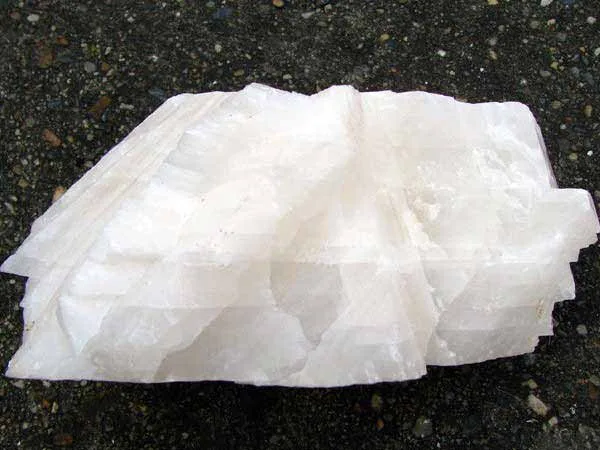
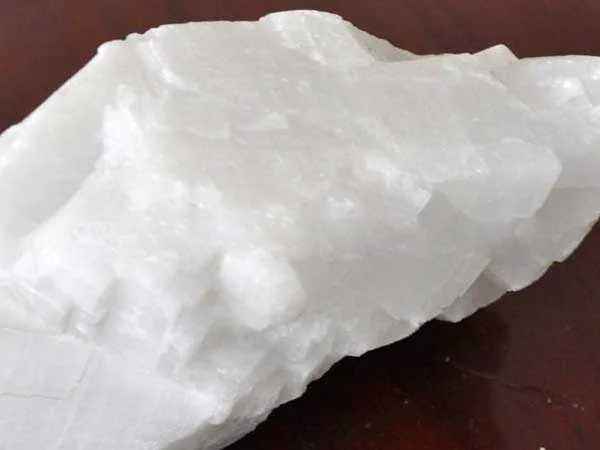
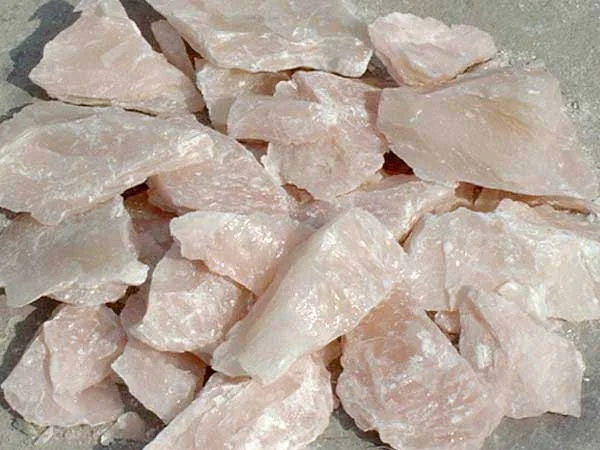
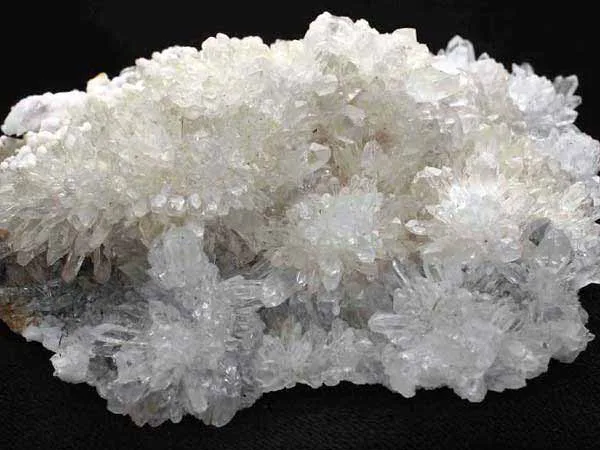
Quartz (Mohs 7, hard, abrasion-resistant, iron-sensitive) needs a different setup from limestone. Cronus recommends three routes depending on the target fineness and purity.
No metal contact — best for high-purity, low-iron quartz flour (e.g., 400–5000 mesh). Needs pre-crushed, dry feed.
A closed circuit with an air classifier gives tight-cut quartz powder at larger scale; use ceramic media to avoid iron.
Good for 325–2500 mesh quartz when cost per ton matters; wear parts are replaced more often due to hardness.
Our Recommendation
For most limestone powder businesses today, value sits in fineness. Power desulfurization wants 250–325 mesh; plastics and coatings want 600–1250 mesh; paper and masterbatch want 1250–3000 mesh — and finer powder sells for 2–3× the 325-mesh price.
After-sales & Visiting Customers (point 8)
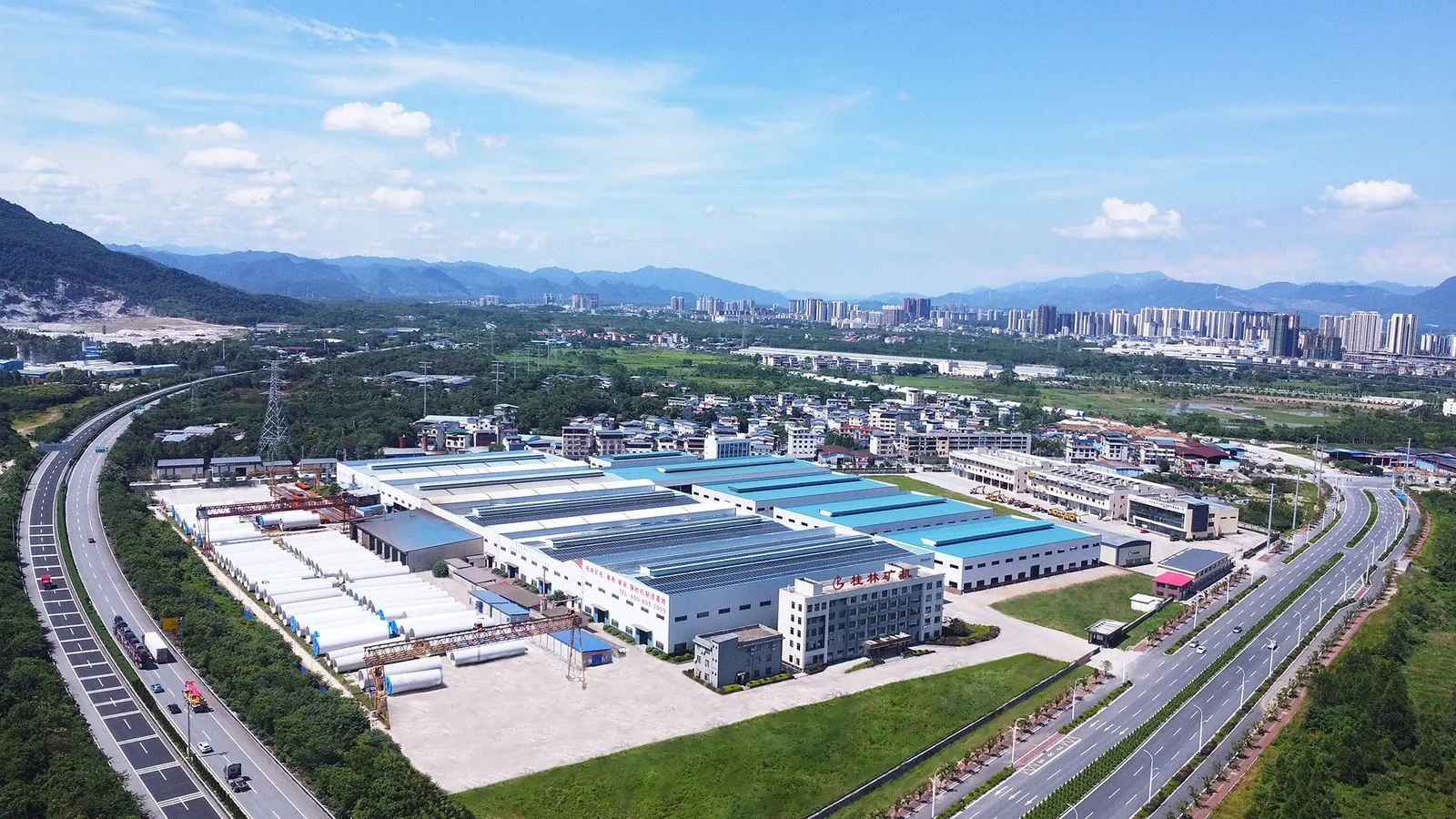
Cronus pairs Shanghai-based international service with Guilin Mining Machinery’s manufacturing base. Customers from Asia, Europe, the Middle East, Africa and the Americas visit the factory each year.
Grind your sample, confirm fineness, capacity and whiteness.
Layout, capacity and fineness matched to your site.
On-site guidance, commissioning and operator training.
Original parts from stock and fast technical response.
About Cronus
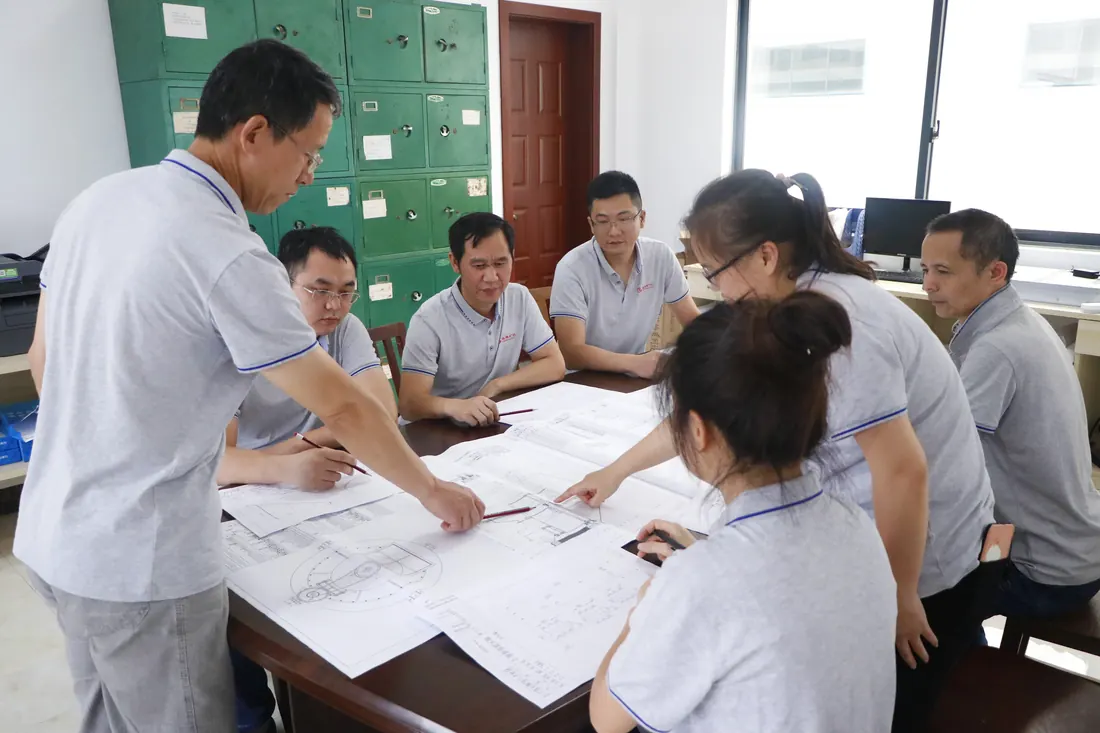
Shanghai Cronus Machinery Co., Ltd. is the international platform of Guilin Mining Machinery Co., Ltd. (founded 1973). Cronus focuses on R&D and manufacturing of vertical roller mills, superfine ring roller mills, Raymond mills, hydrated-lime lines, crushers and sand-making machines.
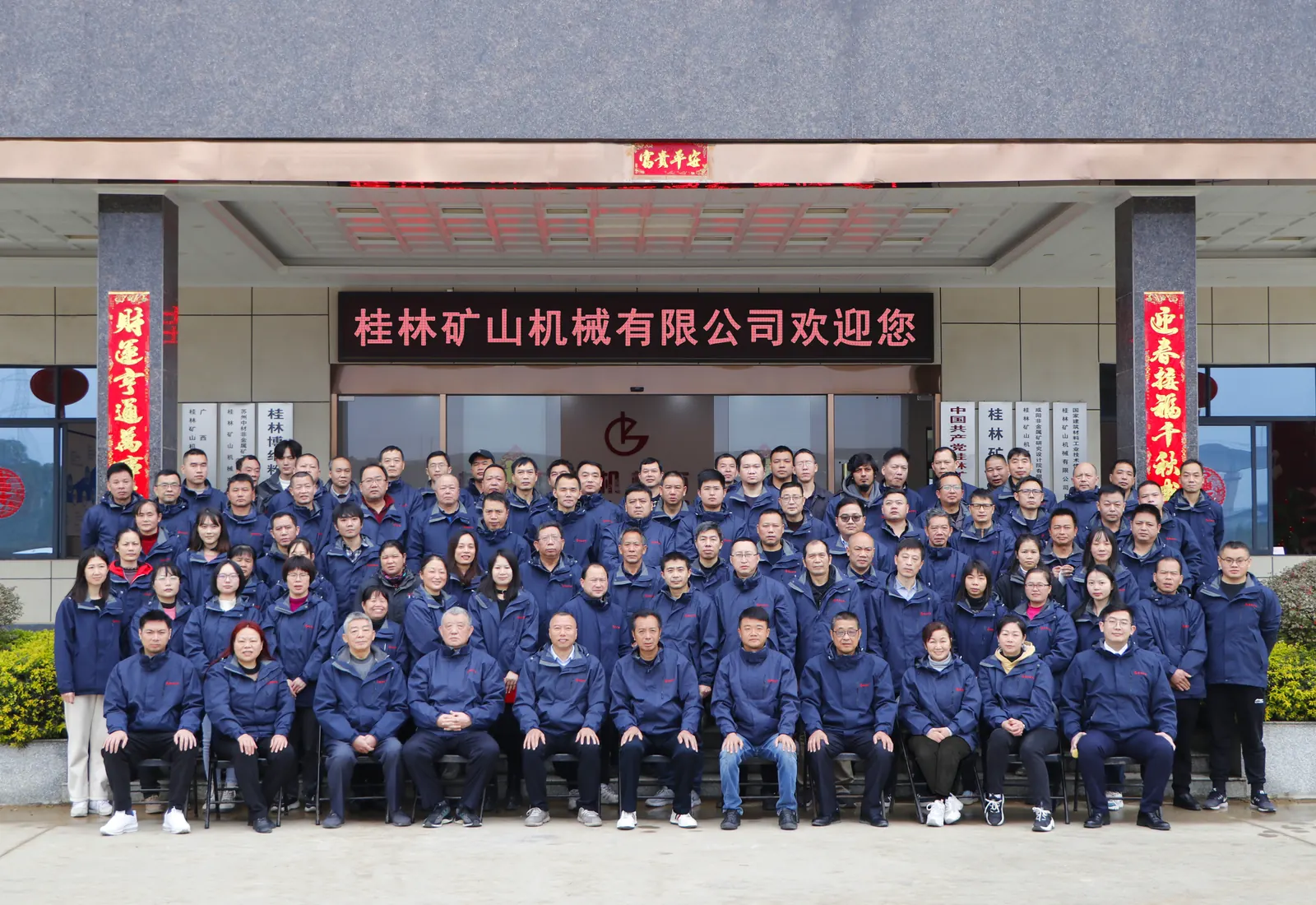
Visiting customers tour the workshop, review processing equipment and discuss their project face to face — that trust is why 8000+ units are in service worldwide.
FAQ (point 8)
For 80–325 mesh, a Raymond mill is the cheapest. For 400–3000 mesh GCC filler, the Ultra-fine Ring Roller Mill is best — one-pass fineness, narrow D97 and lower energy than a ball mill.
Online adjustable 325–3000 mesh (D97 5–47 µm) with no shutdown, covering desulfurization, plastic, coating and papermaking grades.
Independent tests show ~95 kWh/t at D97<10 µm for a ring roller mill, versus ~130 (Raymond), ~160 (ball) and ~175 (vertical). It keeps the curve flatter at fine sizes.
Yes. The VFD turbine classifier switches fineness online, so a single workshop serves desulfurization and ultrafine filler from the same feed.
Feed below 10–20 mm and moisture below 5%. A jaw crusher upstream and a bucket elevator complete the system.
It runs under negative pressure with a pulse collector (>99%), and shock absorbers plus a muffler cut vibration and noise.
GCC for plastics, PVC, coatings, paper, rubber, adhesives, desulfurization, agriculture and construction, 325–3000 mesh.
Rollers, ring, turntable, main shaft, pins, base and classifier blades. Cronus supplies original spares from its own foundry.
Raymond if you sell only 200–400 mesh coarse powder. Ring roller if you sell finer than 600 mesh or want one machine for many grades.
Yes. Cronus tests your limestone and returns confirmed fineness, capacity, moisture and a technical proposal before order.
0.5–45 t/h by model and fineness; a mid-size unit gives about 1–3 t/h at 800 mesh limestone.
Jaw crusher, elevator, feeder, the mill, pulse collector, induced fan, silo and packing machine.
Yes — complete dry GCC lines from crushing to packing, with overseas installation support.
Send material, feed size, target fineness, capacity and moisture to sales@shcronus.com, or WhatsApp / call +86 199 2122 1418.
Contact Cronus
For the fastest recommendation, include material, feed size, target fineness, hourly capacity, moisture and workshop layout.